
A clogged catalytic converter can start with subtle changes that are easy to brush off. Your car may feel slower, smell odd, or sound different long before it actually stops moving. Because your exhaust system is responsible for filtering out harmful emissions, it is essential to monitor any changes in how your vehicle performs.
Understanding these symptoms is important because a failing catalytic converter makes the entire exhaust system work harder, which eventually pushes the engine into unnecessary stress. If you know how to identify these common warning signs early, you can address the issue before it leads to costly repairs or leaves you stranded on the side of the road.
Key Takeaways
- Recognize Early Performance Issues: A sudden loss of power, poor acceleration, or hesitation when pressing the gas are often the first signs of a restricted catalytic converter.
- Watch for Sensory Clues: Pay attention to a sulfurous “rotten egg” smell, abnormal heat radiating from the floorboards, and rattling noises, as these indicate a failing exhaust system.
- Understand the Engine Impact: A clogged converter forces the engine to struggle against its own exhaust pressure, which can lead to reduced fuel efficiency, rough idling, and severe engine damage if left unaddressed.
- Seek Professional Diagnosis: Because a faulty converter is often the symptom of other underlying issues—such as worn spark plugs or fuel system leaks—a professional diagnostic inspection is necessary to identify the true root cause.
The First Sign Is Often a Sudden Loss of Power and Poor Acceleration
When the catalytic converter starts to plug up, restricted exhaust flow prevents gases from leaving the engine as easily as they should. The car may still idle normally, but it feels flat when you try to merge into traffic, pass another vehicle, or climb a steep hill.
That sluggish performance is often the first clue drivers notice. If you search for auto repair Lodi WI, that noticeable slowdown is one of the primary complaints a technician hears because it manifests during routine driving rather than just at startup.
A blocked converter can also cause the car to hesitate immediately after you press the gas pedal. It may feel like the engine wants to accelerate, but then it holds back for a split second.
If that happens, a visit for reliable auto repair services can help identify the root cause before the engine runs hotter than it should. The sooner the problem is checked, the less guesswork there is for your mechanic.
When exhaust cannot escape, the engine starts working against itself.

Exhaust Smells, Heat, and Dashboard Warnings Matter
These warning signs often originate from the exhaust system and the dashboard. A rotten egg smell, an illuminated check engine light, or excessive heat radiating from under the floor can all indicate that your catalytic converter is failing. When this happens, exhaust gases are not being properly treated, which compromises both your vehicle performance and the environment.
For another plain-language reference, 6 signs of a bad catalytic converter lines up with the same warning pattern drivers often notice.
Here is a quick way to compare the most common clues:
| Warning sign | What you may notice | Why it matters |
|---|---|---|
| Rotten egg smell | A distinct sulfur smell noticeable after driving | Fuel is not burning cleanly, or the converter is overheating |
| Check engine light | The light stays on or flashes under load; a technician may also scan a P0420 error code | The engine may be running too hot or too rich |
| Heat under the floor | The floorboard or transmission tunnel feels hotter than normal | Exhaust flow may be backing up due to a blockage |
| Rattling noise | A distinct metallic rattling noise coming from under the car | The internal components of the converter may be broken or collapsed |
A single symptom does not always prove the converter is clogged, but two or three together are difficult to ignore. If your car produces an unusual odor, runs hot, or begins to lose power, that specific pattern deserves professional attention immediately.

What a Restricted Converter Does to the Engine
Inside a catalytic converter, a delicate honeycomb structure coated with precious metals works to reduce harmful nitrogen oxides. Because this component sits directly in the exhaust path, any blockage creates significant back pressure. This prevents exhaust from exiting the system cleanly, which causes heat to rise and forces the engine to struggle against its own emissions.
This restriction negatively impacts engine performance, often resulting in a rough idle, poor fuel economy, and decreased fuel efficiency. Because the car is essentially breathing through a straw, you may notice it runs fine while cold but begins to lose power during longer drives. If the catalytic converter remains clogged, unburned fuel resulting from engine misfires can further overheat the unit, leading to severe engine damage if the situation is ignored.
Good car maintenance Lodi Wisconsin drivers keep up with can help catch these underlying causes before they damage the exhaust system. Issues such as worn spark plugs, leaking fuel, and oil burning place extra stress on the components, often acting as the catalyst for failure.
The problem is rarely the component alone. A qualified shop will investigate the engine issues that caused the system to overheat in the first place. This is why a professional diagnostic test is far more effective than guessing based on a single symptom.
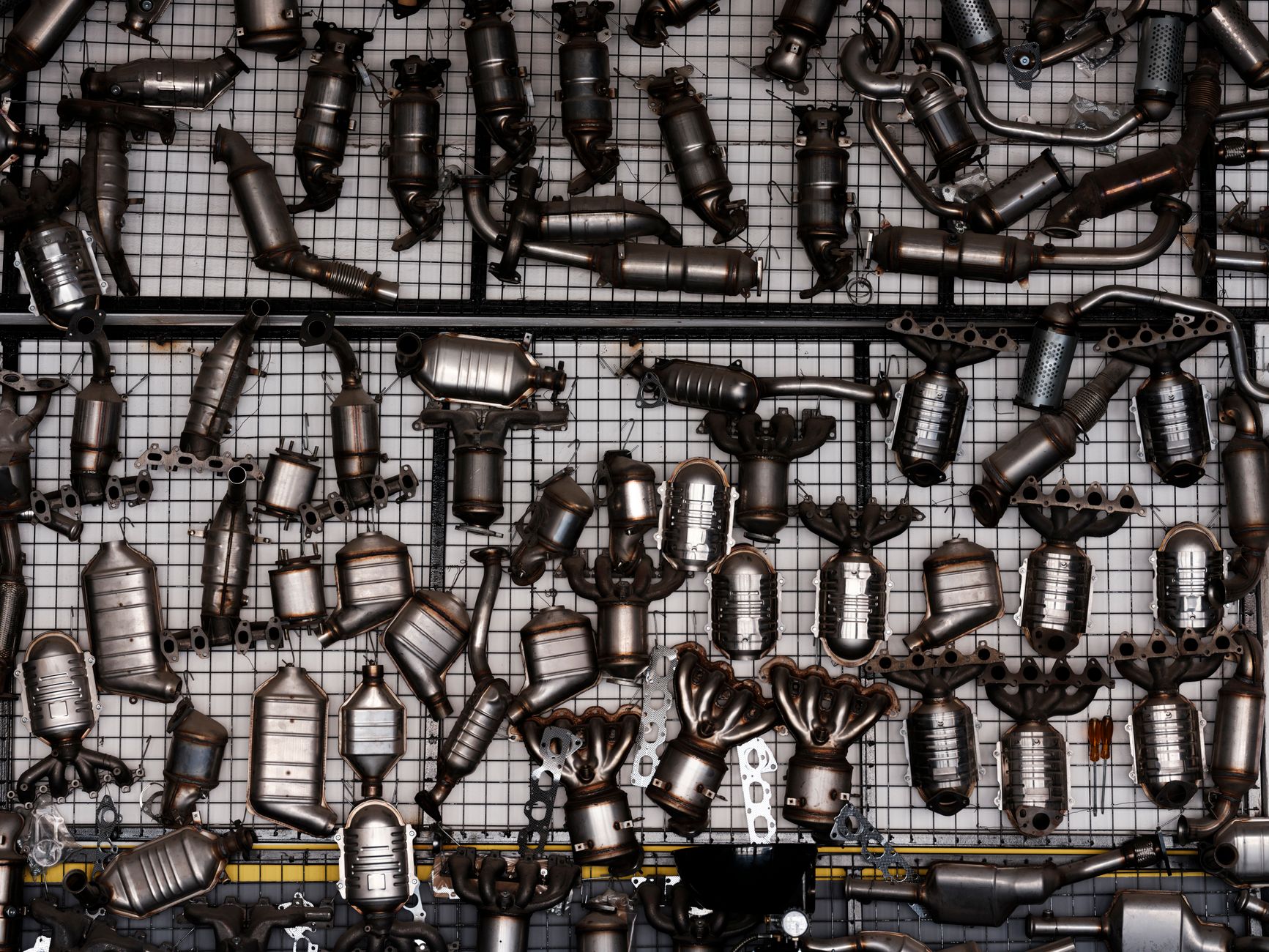
Photo by Engin Akyurt
A trusted local auto repair shop Wisconsin drivers trust can test the exhaust flow, read the diagnostic scan data, and check for the original cause. That matters, because replacing the wrong part simply wastes your time and money.
Why Used-Car Shoppers Should Pay Attention
A clogged converter can easily go unnoticed during a brief test drive. The vehicle might feel perfectly responsive around town, only to struggle once you ask for more power on the highway.
This makes the issue particularly important for anyone comparing used cars for sale Lodi WI. A quick lap around the block is rarely enough to uncover hidden performance issues. A longer drive allows the engine to reach operating temperature, which is often when a failing catalytic converter begins to reveal symptoms that a seller might not disclose.
Stay alert for a car that feels strong initially but loses momentum after a few miles. Listen for unusual rattles, check for foul odors from the exhaust after the engine idles, and pay close attention to how the vehicle behaves when climbing a hill or merging into fast-moving traffic.
A used vehicle can still be a reliable purchase, but you want to know the complete history before you commit. Checking service records, monitoring dashboard warning lights, and performing a thorough inspection are all essential steps to help you avoid a surprise repair on your first day of ownership.
If you are currently shopping for a vehicle and want a professional opinion before moving ahead, Contact Us Today and ask about a diagnostic inspection.
When to Call a Shop or a Tow Truck
If your car experiences a sudden loss of power, a flashing check engine light, overheating, or stalling, you are likely dealing with a severe clogged catalytic converter. Continued driving under these conditions increases dangerous exhaust pressure, which can permanently damage your engine or leave you stranded in traffic.
In these situations, 24 hour towing Lodi Wisconsin support is the safest move, especially if the vehicle struggles to maintain highway speeds. A reliable towing service Columbia County WI can transport the vehicle to a professional facility without adding further strain to the engine.
For less urgent issues, a mechanic near Lodi WI can confirm if the catalytic converter is the root cause or if symptoms are stemming from other components. A diagnostic scanner alone is rarely enough. A thorough inspection should also include checking oxygen sensors, exhaust flow, the muffler, and fuel trim. Keep in mind that a persistent engine misfire is a common precursor to failure, which will almost certainly cause you to fail your state emissions test.
If you want a family-run team that handles complex repairs and towing in one place, take a look at our auto repair shop story and values. It helps to know who is working on your car before a minor issue grows into a major repair.
A failing converter is often part of a larger chain of trouble, so quick action matters. The fix is usually much easier and more affordable when the car still runs, even if performance is poor, than it is after the vehicle quits on the road.
Frequently Asked Questions
Can I continue driving with a clogged catalytic converter?
It is strongly advised against, as a restricted exhaust system causes excessive back pressure that can lead to permanent, expensive engine damage. Continued driving may eventually cause the vehicle to lose power completely or stall, potentially leaving you stranded in dangerous traffic.
Why does my catalytic converter smell like rotten eggs?
This smell is typically caused by unburned fuel or an engine running too rich, which prevents the converter from effectively neutralizing sulfur compounds in the exhaust. It is a critical warning sign that the unit is overheating or failing and requires immediate professional attention.
Does a check engine light always mean the converter is bad?
Not necessarily, though a persistent check engine light or a P0420 error code is a common indicator of a converter issue. A professional mechanic needs to perform a diagnostic scan and physical inspection to determine if the problem lies with the converter itself, an oxygen sensor, or another engine component.
How does a clogged converter affect my fuel economy?
When the exhaust flow is restricted, your engine must work significantly harder to expel gases, which significantly lowers fuel efficiency. You may notice that your vehicle feels sluggish or unresponsive, forcing you to use more fuel to maintain normal highway speeds.
What the Warning Signs Mean
The warning signs usually show up before the catalytic converter fails completely. Slow acceleration, strange smells, extra heat, and a check engine light are all clues that deserve a close look.
The biggest mistake is waiting for the car to get worse. A clogged catalytic converter often starts as a small driveability problem, then turns into a major breakdown if the engine keeps fighting excessive backpressure. By recognizing the symptoms of a clogged converter early, you can avoid costly engine damage.
If your car is giving you those clues now, treat them as a real warning rather than a passing annoyance. Taking your vehicle for a timely inspection of the catalytic converter can keep a small exhaust problem from becoming a much bigger repair.