
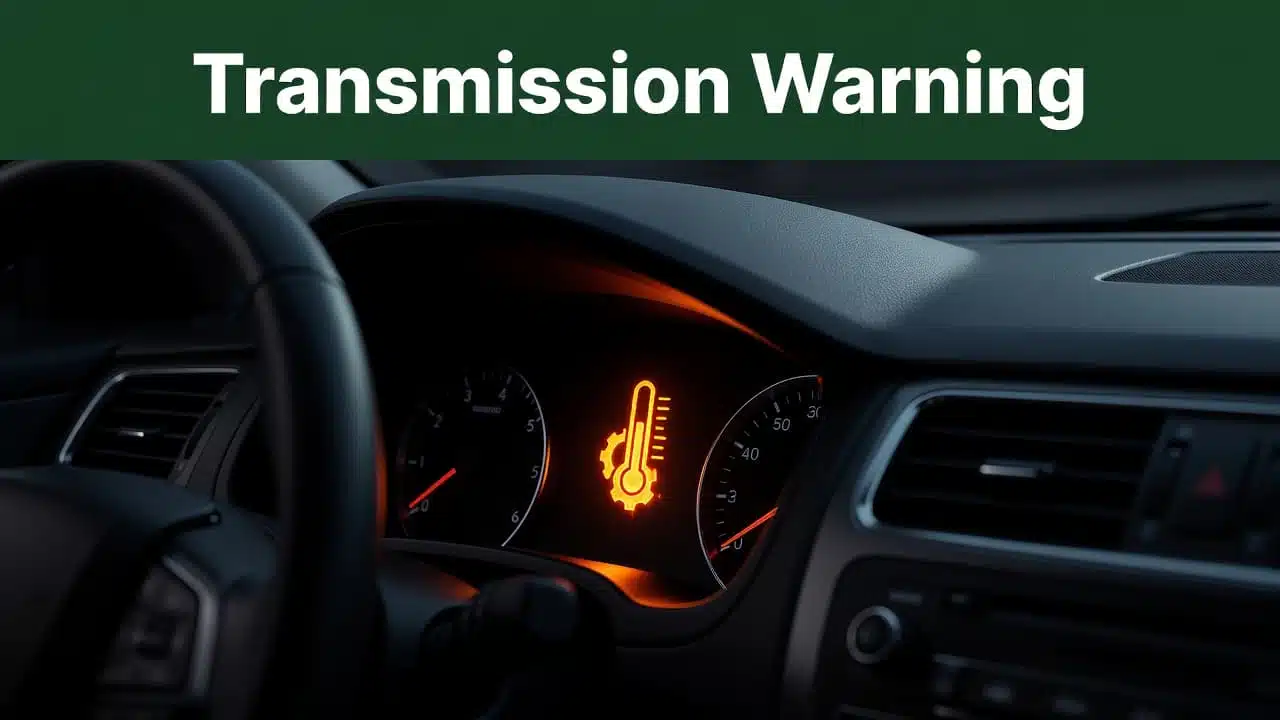
A transmission temperature warning light serves as the vital heat alarm for your automatic transmission. When this indicator illuminates, it signals that your transmission fluid has reached an unsafe temperature or that the internal sensors have detected a potential overheating issue. If you continue driving while the system is under this thermal stress, minor issues can quickly escalate into slipping gears, harsh shifting, or a complete mechanical failure.
Paying attention to this transmission warning light is especially critical when you are traveling long distances or hauling heavy cargo. Because prolonged exposure to extreme heat can lead to permanent transmission damage, you should reduce your speed immediately, look for other warning signs, and take appropriate action before the problem spreads.
Key Takeaways
- A transmission temperature warning light signals that your transmission fluid is overheating, which can lead to permanent damage if left unaddressed.
- Common causes for the light include low or dirty fluid, a faulty cooling system, heavy towing, or internal mechanical wear.
- When the light appears, you should immediately reduce your speed and avoid heavy loads like towing or climbing steep hills to allow the system to cool.
- Even if the warning light turns off on its own, you should seek a professional inspection to identify the root cause and prevent future mechanical failure.
- Responding promptly to these alerts can save you from costly transmission overhauls and ensure your vehicle remains reliable.
What the light is telling you
The transmission is built to handle heat, but only up to a point. Transmission fluid temperature is critical, as this fluid cools moving parts, cuts friction, and helps the system shift cleanly. Once transmission overheating occurs, the fluid thins out and loses its protective properties.
Some cars show a specific dashboard symbol for this issue, while others use a gear icon, a text message, or a red alert. The shape changes, but the meaning stays the same. Your transmission is running hotter than it should, and the car may start protecting itself by entering limp mode or fail-safe mode, which limits your engine power to prevent further stress.
A transmission warning light is a heat alert, and heat can damage a transmission faster than most drivers expect.
If the light comes on once and then goes away, do not shrug it off. A brief warning can point to low fluid levels, a cooling system problem, or a sensor that needs professional attention.
Why the warning comes on
When your vehicle displays a transmission overheating warning, it is signaling that internal temperatures have climbed beyond the safe operating range. Whether you drive a vehicle with a standard automatic transmission or a continuously variable transmission, these overheating symptoms usually point to a specific mechanical or fluid-related failure.
Common causes for this alert include:
- Low or dirty transmission fluid level
- A clogged cooler line or failing transmission cooler
- Heavy towing, steep hills, or stop-and-go traffic
- A cooling fan or radiator problem
- A failing torque converter that creates excessive heat
- An internal transmission problem caused by worn components
- A sensor or wiring issue that gives a false reading
Not every warning means a major rebuild. Still, each cause needs a professional inspection. Routine car maintenance Lodi Wisconsin helps prevent several of these problems, especially when fluid changes and cooling system service stay on schedule. Short trips in summer can also trap heat, since the fluid never gets enough time to stabilize.
A transmission that runs hot once may cool down, then warn again the next day if the root issue stays put. That is why repeated alerts matter more than a one-time flash.
What to do before the damage spreads
Once the transmission warning light illuminates, your car’s physical behavior is a much more urgent signal than the dash symbol itself. If you notice symptoms like slipping gears, delayed shifting, a sweet smell of burning fluid, or a sudden change in power, the issue requires immediate attention to prevent total transmission failure.
- Ease off the throttle and reduce your speed immediately.
- Avoid towing, climbing steep hills, and hard acceleration.
- Pull over to a safe location if the car starts to shudder or lose drive.
- Do not keep testing the vehicle for extra miles.
- Call a professional mechanic near Lodi WI or arrange a tow if the transmission will not shift correctly.
If you need auto repair Lodi WI after seeing this warning, do not wait for the system to fail completely. When the vehicle is stuck, 24 hour towing Lodi Wisconsin is often the safest move for your engine and drivetrain. A towing service Columbia County WI can move the car to a repair facility without adding more heat or internal wear.
If the warning appears while you are towing a trailer, climbing a steep grade, or crawling through heavy traffic, give the car a break. Letting the transmission cool for a while can keep a minor temperature spike from becoming a major roadside problem.
How a repair shop diagnoses it
A reliable shop always starts with the basics. The technician begins by checking the transmission fluid level, color, and smell. Burnt fluid often points to excessive heat, while dark or dirty fluid typically indicates overdue maintenance. Beyond the fluid, the shop performs a comprehensive scan for any stored codes triggered by the check engine light. Using advanced diagnostic tools, they can inspect the transmission oil temperature sensor to see if it is reporting accurate data or if a fault is causing the warning.
A local auto repair shop in Wisconsin can determine whether the root cause is compromised fluid, a restricted cooler, a faulty valve body, or a failing shift solenoid. This diagnostic process relies heavily on testing the various sensors and modules that manage your vehicle. By communicating with the transmission control module, a technician can pinpoint if the issue stems from an electronic error or a mechanical failure within the transmission itself.
A family-owned shop also knows when to perform a repair, when to monitor a system, and when a tow makes more sense than risking another drive. If you want a closer look at the people behind the service, our family-owned repair team shares more about the shop’s background and approach.
For deeper checks and repair options, local transmission repair services can handle everything from routine inspections to complex overhauls. That kind of thorough assessment is vital because a hot transmission often masks multiple problems. A slow leak, a weak cooler, and degraded fluid can all present symptoms simultaneously.
A professional diagnosis saves you time and money. It prevents the unnecessary replacement of parts that were never the source of the trouble, ensuring your vehicle gets exactly the care it needs.
When repair costs change the decision
A hot transmission does not always mean the car is finished. Sometimes it simply needs fresh fluid, a new cooler, a replacement hose, or a functioning sensor. However, there are times when the situation involves significant transmission damage. Mileage, service history, and the current market value of your vehicle all play a role in shaping your decision.
If the repair quote starts to climb, compare the cost against the car’s remaining value and the price of a replacement vehicle. If you are driving an older model and facing the prospect of total transmission failure, browsing used cars for sale Lodi WI can become a practical part of your long term plan. That choice is much easier to make when you already know your vehicle’s maintenance history and have a clear, professional estimate in hand.
For drivers weighing the cost of a repair, a tow, or a complete replacement, honest advice matters. A shop that handles auto repair Lodi WI can explain which issues are urgent, what can wait, and what requires a tow instead of another drive to prevent further destruction. If you want help sorting out the next step for your vehicle, Contact Us Today.
Frequently Asked Questions
Can I keep driving if the transmission warning light flickers off?
No, you should not ignore a warning light simply because it turned off. A transient alert often indicates a cooling system issue or failing sensor that will likely return and potentially cause damage during your next drive.
Why does my transmission overheat during heavy traffic or towing?
These conditions force your transmission to work harder and generate more heat than the cooling system can dissipate. Prolonged stress causes the transmission fluid to thin out, reducing its ability to protect internal gears and components.
Does a transmission light always mean the transmission needs to be replaced?
Not necessarily, as many issues are caused by simpler factors like low fluid levels, a clogged cooler, or a faulty sensor. A professional diagnostic scan is necessary to distinguish between a minor maintenance issue and a major mechanical failure.
What should I do if my car enters limp mode?
Limp mode is a safety feature that limits engine power to protect your transmission from further damage. You should pull over to a safe location immediately and contact a professional mechanic rather than attempting to drive the vehicle further.
Conclusion
The transmission warning light is a critical alert about heat, not a random dashboard glitch. When you see signs of transmission overheating, you should treat the issue immediately. Addressing the problem early gives your transmission fluid, cooler, and internal components a genuine chance to recover before permanent damage spreads. If the warning returns or the vehicle begins to slip, the safest move is to stop guessing and have a professional perform a diagnostic inspection.
Ultimately, responding to that transmission warning light quickly is the best way to prevent extensive mechanical failure. By staying proactive, you save yourself from a costly transmission repair and help ensure the long-term reliability of your vehicle.
One Response