
A windshield that stays foggy or frosted can turn a short drive into a serious safety problem. If your car defroster not working, the cause may be as simple as a blocked vent or as complex as a failed heater control.
The defroster depends on airflow, heat, electrical controls, and clear air passages. A quick inspection can reveal some problems, but weak airflow, coolant loss, or electrical faults need professional attention. Start by identifying what the system is doing, then decide whether you can correct it safely or need an auto repair shop.
Key Takeaways
- No air from the windshield vents often points to a blower, fuse, vent, or mode-control problem.
- Air that blows without heat may indicate low coolant, a stuck thermostat, or a heater core issue.
- A dirty cabin air filter can restrict airflow and slow windshield clearing.
- Use fresh air and the air-conditioning function to reduce interior moisture.
- Never drive when frost, fog, or condensation blocks your view.
What a Car Defroster Needs to Clear the Glass
Your front defroster sends heated, relatively dry air through vents at the base of the windshield. The blower pushes that air across the glass, while the HVAC controls direct it toward the defrost outlets. Many vehicles also turn on the air conditioner in defrost mode because the AC system removes moisture from cabin air.
That means several parts must work together. If the blower runs but the air stays cold, the heating side may have a problem. If the air is hot but barely reaches the windshield, look for a restricted filter, blocked vent, stuck mode door, or weak blower motor.
The first clue is airflow. Turn the engine on, select the front defrost setting, set the fan to high, and listen. You should hear the blower and feel air moving at the top of the dashboard. This troubleshooting guide on defroster airflow also recommends checking whether air reaches the defrost vents before chasing more complicated faults.
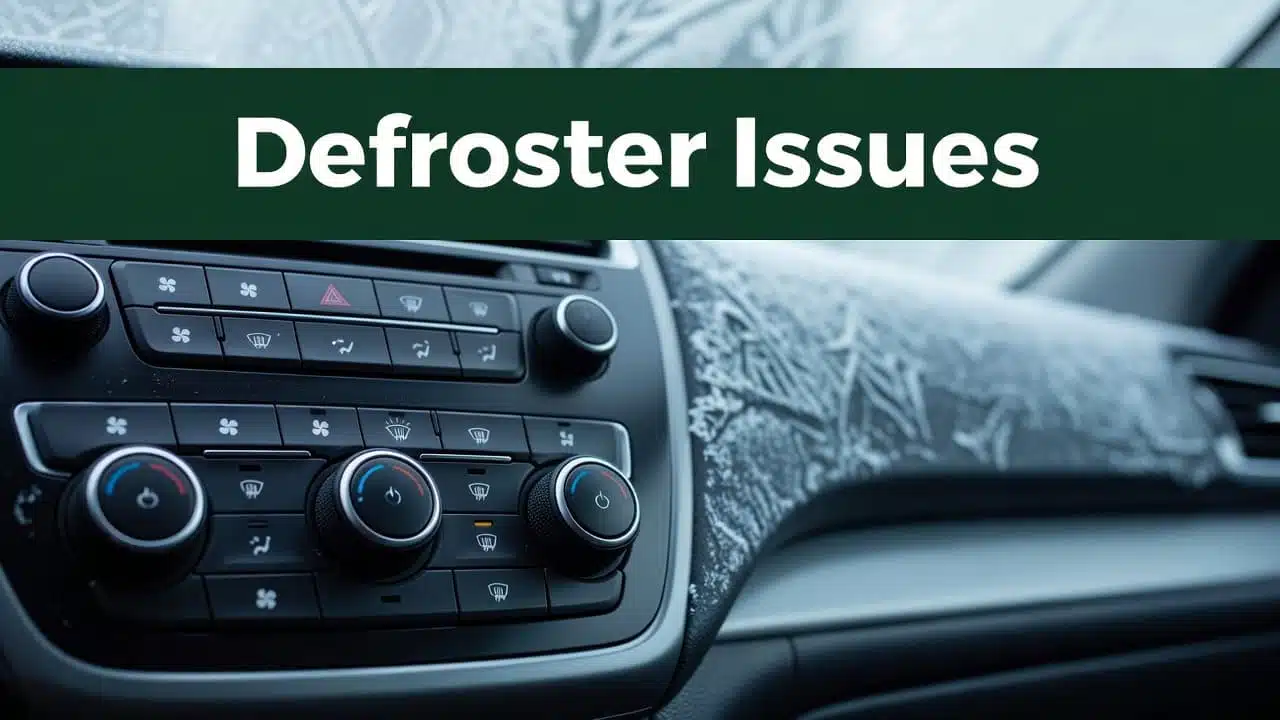
No air reaches the windshield
When the fan makes no sound, check the blower speed settings first. If only one speed works, a blower resistor may have failed. If every speed is dead, the problem could involve a fuse, relay, wiring, blower motor, or climate-control switch.
A fan that runs but sends air from the floor or dashboard vents points toward a mode-door problem. Modern vehicles use electric actuators, vacuum controls, or cables to redirect air. A broken actuator can leave the system stuck in one position.
Also inspect the defroster openings near the windshield. Loose papers, leaves, or other debris can block the intake or vents. Don’t push objects into the openings, because they can damage the control doors inside the dashboard.
Air blows, but it never gets warm
Cold air with a running blower usually points to the heating system. Low engine coolant is one possible cause, especially if you see a leak, smell a sweet odor, or notice the temperature gauge behaving differently. A low coolant level can prevent hot coolant from reaching the heater core.
A thermostat stuck open can keep the engine below its normal operating temperature. The heater may produce lukewarm air, and the engine can take longer than usual to warm up. A clogged heater core creates a similar symptom, although coolant flow and hose temperatures help a technician separate the two problems.
Never remove a radiator or coolant reservoir cap while the engine is hot. Pressurized coolant can cause severe burns. Let the vehicle cool completely before checking the level, and use the coolant type listed in the owner’s manual.
The windshield fogs up again
Interior fog usually means moisture is trapped inside the cabin. Wet floor mats, snow-covered clothing, a leaking door seal, or water entering through the cowl can add enough humidity to overwhelm the defroster.
Set the system to front defrost, use fresh-air mode, and turn on the AC if your vehicle allows it. Keep the temperature warm and the fan at a moderate or high setting. Recirculation can keep moist cabin air trapped, so switch it off while clearing the glass.
Common Reasons the Defroster Works Slowly
Some defroster problems are less obvious because the system still operates. It may blow warm air, yet the windshield clears so slowly that visibility remains poor. A dirty cabin air filter is a common reason. The filter cleans air entering the passenger compartment, but dust and debris eventually restrict the airflow.
The filter location varies by vehicle. Many sit behind the glove box, under the dashboard, or near the HVAC housing. Check the owner’s manual before removing panels. If the filter is packed with dirt, replace it rather than trying to shake it clean.
A weak blower motor can also reduce airflow. You may hear a changing pitch, squealing, rattling, or intermittent operation. Leaves inside the blower housing can create noise and may damage the motor if they remain there.
The air-conditioning system matters even during cold weather. In defrost mode, AC operation helps dry the air before it reaches the glass. If the AC compressor doesn’t engage, a low refrigerant level, pressure switch, fuse, wiring issue, or compressor fault may be responsible. Some vehicles prevent AC operation below certain temperatures, so a technician should test the system under proper conditions.
Outside temperature affects clearing speed, but it doesn’t explain a sudden loss of performance. If the defroster worked last winter and now produces weak airflow or no heat, schedule an inspection instead of blaming the weather.
A blocked cowl intake can limit the air entering the HVAC system. Clear leaves and snow from the area below the windshield, but avoid using sharp tools near seals or wiring. You can find additional guidance on heating and defogging problems in this car defroster and defogger repair guide.
When the Problem Needs a Technician
A professional diagnosis makes sense when basic settings and airflow checks don’t solve the problem. HVAC systems contain parts that are difficult to reach without removing dashboard panels. Guessing can lead to unnecessary parts, broken trim, or a coolant leak inside the cabin.
A technician may inspect the following:
- The blower motor, resistor, fuse, and relay
- HVAC mode doors and their electric actuators
- Coolant level, thermostat operation, and heater-core flow
- Cabin air filter condition and blower housing debris
- AC compressor operation and refrigerant pressure
- Wiring, control modules, and climate-control switches
A sweet smell inside the car, damp carpet, or a greasy film on the windshield can point to a leaking heater core. That repair may require substantial dashboard disassembly. Don’t ignore those signs, because coolant loss can also lead to engine overheating.
Climate controls that change settings by themselves may indicate an actuator or control-module fault. Likewise, clicking behind the dashboard when you select defrost often suggests a damaged gear inside an actuator. A scan tool may help identify stored HVAC codes, but the code alone won’t prove which part needs replacement.
Drivers searching for auto repair Lodi WI or a mechanic near Lodi WI should choose a shop that can inspect both mechanical and electrical HVAC components. Lodi Shell provides local auto repair services in Lodi for heating, maintenance, and other vehicle concerns. The shop’s professional auto repair facility also handles work such as brakes, tires, oil changes, and parts installation.
Safe Steps Before You Drive
If frost or fog blocks your view, don’t pull into traffic while the windshield is still unclear. Start the vehicle in a safe, open area, select defrost, and allow the glass to clear. Never warm up a vehicle inside a closed garage.
Use a proper ice scraper on exterior frost. Pouring hot water over cold glass can cause thermal shock and may crack the windshield. A washer-fluid deicer can help, but use a product rated for your local winter temperatures.
For interior condensation, wipe the glass with a clean microfiber towel if necessary. A dirty cloth can leave a film that makes glare worse at night. Remove wet mats and check whether water is collecting under them.
If the defroster fails during a trip and visibility remains unsafe, pull off the road. Drivers who need 24 hour towing Lodi Wisconsin or a towing service Columbia County WI can arrange help instead of continuing with an obstructed view. Lodi Shell’s towing information notes that its 24-hour service can move a disabled vehicle to the facility or another safe location.
Routine car maintenance Lodi Wisconsin drivers schedule before winter can catch weak batteries, low coolant, worn belts, damaged wiper blades, and HVAC faults early. A seasonal inspection costs less than dealing with a breakdown during a freezing commute.
For drivers comparing repair costs with replacement options, Lodi Shell also has used cars for sale in Lodi. A dependable vehicle with a working climate system matters when winter visibility becomes a daily concern.
Conclusion
A windshield that won’t clear usually gives you useful clues. No airflow points toward the blower or vent controls, while cold airflow suggests a coolant or heating problem. Slow clearing can come from a dirty cabin filter, excess moisture, or an AC system that isn’t drying the air.
Check the settings, keep the windshield and cowl area clear, and avoid driving until you can see safely. When the car defroster not working problem continues, a trained technician can test the system without replacing parts by guesswork. For help with a repair, inspection, or tow, Contact Us Today.
One Response