
A stuck window becomes a problem fast, especially during rain, snow, or a hot Wisconsin afternoon. If you have power windows not working, the cause may be a simple fuse, a worn switch, a failed motor, or a damaged window regulator.
The symptoms often provide useful clues. One window failing points to a local problem, while several windows stopping together may indicate a fuse, wiring issue, or control module fault. Start with the basic checks, then arrange professional testing before replacing expensive parts.
Key Takeaways
- A single dead window usually has a faulty switch, motor, regulator, or door wiring.
- Several windows failing together may point to a fuse, relay, battery, or control module.
- Grinding, clicking, or slow movement often indicates mechanical wear inside the door.
- Avoid forcing the glass by hand because the regulator and window tracks can break.
- A repair shop can test the circuit before replacing parts unnecessarily.
Why Power Windows Not Working Often Starts With Electrical Problems
Every power window needs a complete electrical path. Power leaves the battery, passes through fuses and switches, and reaches the window motor. The motor then turns a regulator that moves the glass along its tracks.
A break anywhere in that path can stop the window. The motor may receive no power, or it may receive power but fail to turn. That difference matters because replacing a motor won’t fix a broken wire or failed switch.
Start by checking whether the problem affects one window or several. If only the driver’s window has stopped, the driver’s switch, motor, regulator, or wiring is a likely concern. When multiple windows fail at the same time, check the power window fuse first.
Some vehicles also use a relay or body control module. These components manage power to several windows and other interior functions. A fault may appear after a weak battery, electrical surge, water intrusion, or previous wiring repair.
The window lock button can also create confusion. On many cars, it disables the passenger switches but leaves the driver’s control active. Press the lock button once and test the window again before removing a door panel.
Common Causes of Power Window Failure
Blown Fuse or Failed Relay
A fuse protects the window circuit from excessive current. If the motor binds or a wire shorts, the fuse can open and stop the circuit. Locate the fuse box using the owner’s manual, then check the fuse labeled for windows, doors, or body electronics.
Replace a blown fuse only with one of the same amperage. A larger fuse can allow excessive current through the wiring and create a fire risk. If the replacement blows again, the circuit needs testing instead of another fuse.
Worn Window Switch
The switch carries current each time you raise or lower the glass. Over years of use, its internal contacts can wear, corrode, or burn. Spilled drinks and moisture can also damage the switch assembly.
A switch problem often affects one direction. For example, the window may go down but refuse to go up. If the window works from one switch but not another, the failed control is easier to identify.
The driver’s master switch deserves special attention. It controls the driver’s window and often sends power to the passenger controls. A fault in that assembly can affect more than one window.
Failed Window Motor
The motor may stop because its brushes are worn, its internal gears are damaged, or it has overheated. A motor that makes a click but doesn’t move the glass may have power but lack the strength to operate.
Slow operation is an early warning sign. Windows that move more slowly than usual may have a weak motor, dirty tracks, or a regulator beginning to bind. Continuing to use the window can turn a small repair into a larger one.
Broken Window Regulator
The regulator connects the motor to the glass. Common designs use cables, pulleys, gears, or a scissor-style lifting mechanism. A cable can fray or unwind, while a plastic guide can crack.
When the regulator breaks, the glass may drop into the door, tilt forward, or sit crooked. You may hear grinding, snapping, or repeated clicking. The motor can still run even though the regulator no longer moves the window.
Damaged Wiring in the Door Hinge Area
Wires pass through a flexible rubber boot between the door and the vehicle body. Every door opening bends those wires. After years of use, a wire can break inside the insulation or develop a loose connection.
This problem may come and go when you open or close the door. It can also affect door locks, speakers, mirrors, or interior lights at the same time. A technician can test continuity while moving the harness to locate the break.
Frozen or Obstructed Glass
Wisconsin winters can freeze glass to the weatherstripping. Dirt, worn channels, and damaged seals can also increase resistance. The motor may draw too much current and trip the circuit protection.
Don’t hold the switch down while the glass is frozen. Warm the vehicle and clear the seals first. A short burst of forced operation can overheat the motor or damage the regulator.
What the Window’s Symptoms Can Tell You
The sound and movement of the glass provide useful information. Pay attention before repeatedly pressing the switch.
| Symptom | Likely area |
|---|---|
| No sound from one window | Switch, fuse, wiring, or motor |
| Click with no glass movement | Regulator, gear, or disconnected glass |
| Grinding or snapping | Broken regulator or damaged gear |
| Window moves slowly | Weak motor, dirty track, or frozen seal |
| Window falls into the door | Regulator failure or broken mounting |
| Several windows fail together | Fuse, relay, battery, or control module |
| Works only when the door moves | Broken wire in the door harness |
A window that falls or tilts needs prompt attention. The glass can shatter if it shifts against the frame, and an open door leaves the vehicle exposed to rain and theft.
If the motor runs but the glass stays still, the regulator is often the problem. Replacing the switch alone won’t correct a mechanical failure.
Avoid reaching inside the door while someone operates the switch. Regulators can move with force, and some door panels contain side-impact airbag components. Professional diagnosis is safer when the panel must come off.
Checks You Can Make Before Visiting a Repair Shop
You can perform a few basic checks without removing parts. First, turn the ignition to the position required for accessory power. Some vehicles won’t operate the windows with the key removed or the ignition completely off.
Next, test the window from every available switch. Try the driver’s master control and the individual passenger control. Then check the window lock button. This quick comparison may identify a failed switch.
Listen carefully as you press the control. Silence usually means the motor isn’t receiving power or has an internal failure. A humming motor points toward a regulator, track, or glass attachment problem.
Check whether other electrical features are affected. Interior lights, door locks, mirrors, and dashboard warnings can reveal a larger power supply issue. If the battery recently went dead or needed a jump, the vehicle may need battery and charging-system testing.
Look at the glass position without forcing it. If it sits crooked, don’t push it down or pull it up. Place a temporary plastic cover over an open window and secure it without blocking the driver’s view.
A basic visual inspection is reasonable, but electrical testing requires a multimeter and a wiring diagram. Technicians check for voltage and ground at the motor, then test the switch and harness. This process prevents guesswork and reduces unnecessary parts replacement.
When to Schedule Professional Power Window Repair
Searches such as “mechanic near Lodi WI” often begin with a window that suddenly stops moving. A qualified technician can inspect the entire system instead of guessing from one symptom.
Professional service is the right choice when the glass is stuck down, the regulator has broken, a fuse keeps blowing, or the window works intermittently. It also makes sense when several door features fail together or the vehicle has experienced water damage.
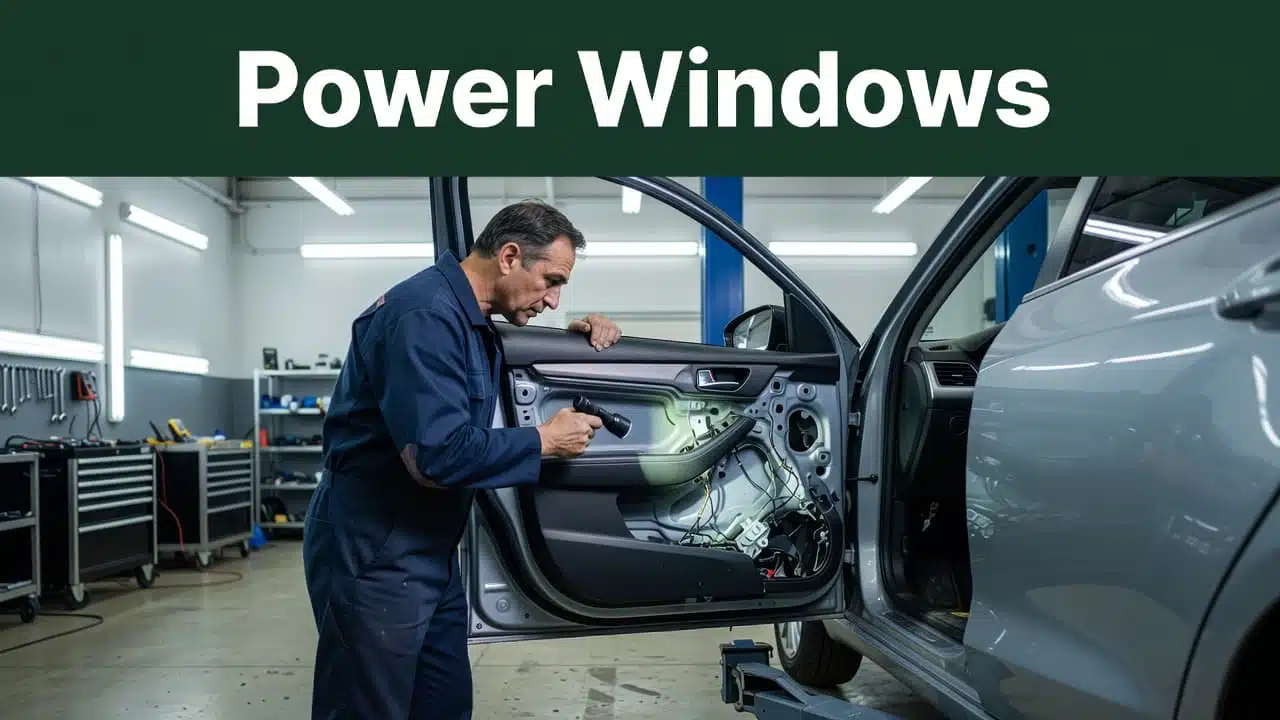
Door repairs may require removing the interior panel, vapor barrier, speaker, or trim. The technician must support the glass, disconnect connectors safely, and align the regulator correctly. A poorly aligned window can leak wind noise and water even after it moves again.
Lodi Shell has operated as a family-owned business in Lodi since 1990. Drivers can review the available local auto repair services or learn more about the auto repair shop before scheduling service.
Repair costs depend on the vehicle, the failed component, and access inside the door. A fuse or switch may take less time to replace than a regulator. Some vehicles combine the motor and regulator into one assembly, while others allow separate replacement.
A repair estimate should identify the failed part and explain whether the glass, regulator, motor, wiring, and switches tested correctly. Ask whether the replacement includes alignment and operation testing.
When a Broken Window Requires Towing
A failed window usually doesn’t require a tow if the vehicle drives safely and the glass remains secure. Towing becomes more practical when the window is shattered, the door won’t latch, or weather makes the vehicle unsafe to leave outside.
If the glass is stuck open during a storm, cover the opening and move the vehicle only when visibility and safety allow. Don’t drive if broken glass is inside the cabin or if the door cannot close securely.
Drivers who search for “24 hour towing Lodi Wisconsin” or a “towing service Columbia County WI” may need help after an accident, breakdown, or overnight failure. Lodi Shell provides 24/7 towing for local drivers who can’t safely continue.
For repair questions or roadside assistance, Contact Us Today and describe what the window is doing. Mention whether you hear the motor, whether the glass is crooked, and whether other windows or door functions have failed.
How to Reduce Future Window Problems
Keep the window channels clean and remove ice from the seals before using the switch. Silicone-based rubber-safe treatment can help protect weatherstripping, but avoid spraying products directly into electrical switches or the door panel.
Don’t hold the switch after the glass reaches the top or bottom. The motor stops at the limit, but extended pressure can add heat and stress to the mechanism.
Routine inspections can catch slow movement before the regulator breaks. Drivers looking for car maintenance Lodi Wisconsin can include window operation during regular service visits, along with brakes, tires, fluids, and battery checks.
When shopping for a replacement vehicle, test every window several times. If you’re comparing used cars for sale Lodi WI, inspect the glass alignment, switch response, motor noise, and door seals before making a decision. Lodi Shell’s inspected used cars provide another local option for shoppers who want a vehicle checked before purchase.
Conclusion
Power windows stop working when an electrical or mechanical part breaks, binds, freezes, or loses its connection. The number of failed windows, the sounds you hear, and the glass position can help narrow the cause.
A fuse check and switch test may solve a simple problem, but a stuck, crooked, or grinding window needs proper diagnosis. The right repair protects the glass, keeps the cabin secure, and prevents a small door problem from becoming a larger electrical or mechanical repair.