
When your blower motor only works on high, the leading cause is a failed blower motor resistor. This part controls lower fan speeds, while the high speed circuit often bypasses it, allowing the high setting to keep working.
A worn blower motor, damaged connector, clogged cabin air filter, or faulty blower switch can cause the same symptom. Before ordering replacement parts, check for a vehicle-specific TSB. Then test the circuit and motor for excessive current draw. These checks can help prevent another resistor failure.
Key Takeaways
- A blower motor that only works on high most often has a failed blower motor resistor because high speed commonly bypasses the resistor.
- Check the resistor connector, wiring, fuse, relay, cabin air filter, blower switch, and motor ground before replacing parts.
- Test the blower motor for unusual noise, slow startup, weak airflow, and excessive current draw, since an overloaded motor can quickly damage a new resistor.
- Check for a vehicle-specific TSB, especially when the resistor has failed repeatedly or the connector shows heat damage.
- Replace the blower motor and resistor together when the motor is noisy, worn, overloaded, or has caused repeated resistor failures.
Why Lower Fan Speeds Stop Working
The HVAC blower motor pushes air through your car’s vents. The fan speed control determines how much electrical power reaches it.
On many vehicles, lower settings route power through a blower motor resistor, also called a resistor pack. The resistor reduces voltage before it reaches the motor. High speed often bypasses this component and sends power through a relay or separate circuit.
When the resistor burns out, its lower-speed circuits stop working. The high speed setting can continue operating because it avoids the failed resistor section.
That explains the familiar pattern: settings one, two, and three produce no airflow, while high speed works normally. The resistor should be your first suspect when lower settings fail.
However, the resistor isn’t always the original cause. A blower motor with worn bearings or damaged internal brushes can draw more current than designed. That extra load creates heat in the resistor and wiring connector. Eventually, the blower motor circuit may also need repair.
Before replacing parts, check model-specific service information for testing procedures and any applicable TSB.
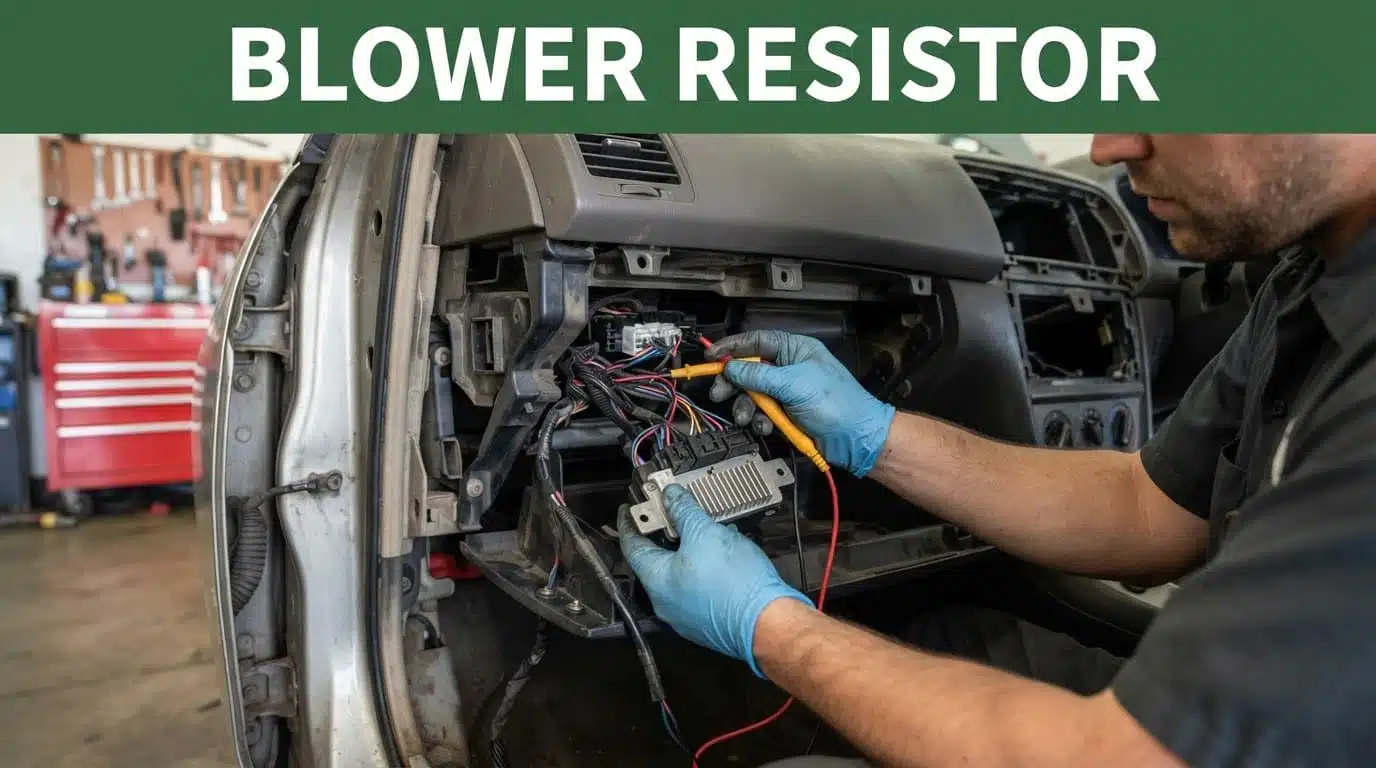
Other possible causes include:
- A melted or loose resistor connector can interrupt the lower-speed circuits.
- A defective blower switch may fail to send power to some settings.
- Damaged wiring, a poor ground, or corrosion can create an open circuit.
- A failed relay or fuse can affect the blower circuit, although a fuse problem often stops every setting.
- A clogged air filter can restrict airflow and make the fan work harder.
A TSB may identify a revised component or connector for the vehicle, especially if the resistor fails repeatedly.
A dirty cabin filter usually doesn’t cause only the lower settings to fail. Still, restricted airflow can overwork the motor and contribute to repeat resistor failures. Check it during diagnosis, especially if airflow has weakened over time.
How to Test the Problem Before Replacing Parts
Start with the simplest checks, and look for a model-specific TSB before testing. Turn the ignition on and test every fan speed, including high speed. Listen for humming, scraping, squealing, or a motor that starts slowly. These sounds can point to a worn motor rather than a resistor alone.
Next, inspect the cabin filter and the area around the HVAC blower motor. In many vehicles, it sits beneath the passenger-side dashboard, close to or behind the glove box. Look for leaves, dust, water damage, or signs that the motor has overheated.
A basic electrical test can narrow the diagnosis:
- Check the fuse and blower relay in the fuse box using the vehicle’s wiring diagram. Don’t rely only on a visual inspection, because a fuse can fail at the element or lose power at its socket.
- Follow any applicable TSB for connector or circuit test instructions. Set the fan to high speed and confirm that voltage reaches the blower motor connector with a test light or multimeter.
- Check the motor’s ground connection. A weak ground can reduce speed or cause intermittent operation.
- Inspect the blower motor resistor connector for heat damage, loose terminals, or melted plastic.
- Measure current draw with a DC clamp meter or a properly rated automotive meter.
The motor’s correct amperage depends on the vehicle, so use the factory service information or a repair manual for the specified range. Compare any current threshold specified in a TSB with that factory information. A motor with excessive current draw can destroy a replacement resistor within days or weeks.
If you use an inline multimeter for current testing, connect it in series with the circuit and follow the meter’s current rating. Never place the meter leads across the battery while the meter is set to amperage. That mistake can damage the meter or create a short circuit.

A resistor that has failed without motor noise may be the only bad part. If only high speed works, the resistor is likely at fault. A noisy motor, slow startup, intermittent operation, or excessive load points to a motor assembly problem too.
A replacement resistor won’t correct the root problem if the motor is overheating the circuit. Test the motor before installing the new part.
How to Replace the Resistor
Many resistor replacements are manageable DIY repair projects. You may need a small socket set, screwdrivers, a trim tool, and a flashlight. The exact location varies by make and model, so check a repair manual before removing dashboard panels.
The HVAC blower motor usually sits near the resistor pack in the HVAC housing. Passenger-side access is common, and some vehicles require glove box removal. Others expose the part after removing a lower dash panel.
Before ordering parts, check for a TSB that identifies an updated resistor or connector. Also inspect the blower motor for debris, unusual noise, or restricted movement.
Use this general process:
- Turn off the ignition and disconnect the negative battery cable. Wait several minutes before working near dashboard wiring, especially in vehicles with passenger airbag components.
- Remove the glove box or lower passenger-side trim if it blocks access. Keep screws organized because manufacturers often use different fastener lengths.
- Locate the resistor and unplug its electrical connector. If the connector is melted, don’t install a resistor without repairing or replacing the damaged connector.
- Remove the retaining screws and compare the old part with the replacement. Match the part by vehicle year, engine, trim, VIN, and part number when required.
- Install the new resistor, reconnect the wiring, and reconnect the battery. Follow any TSB instructions if it specifies a revised pigtail or repair procedure.
- Test the high speed setting and every lower speed before reinstalling the trim panels.
Don’t force a connector onto the new resistor. Burned terminals can create resistance, heat, and another failure. A replacement pigtail may be necessary when the plastic has softened or the terminals no longer grip tightly.
Disconnecting the battery can erase radio settings or require window and clock resets. Some vehicles also need a scan tool procedure after battery power is removed. Check the owner’s manual first.
Should You Replace the Blower Motor and Resistor Together?
Replacing both parts makes sense when the HVAC blower motor shows signs of excessive wear or excessive current draw. The resistor controls speed, but the motor creates the electrical demand that can overheat it.
Replace the motor along with the resistor when you find:
- Grinding, rattling, or squealing from the passenger-side dash.
- A blower motor that starts only after tapping the housing.
- Airflow that changes when the motor warms up.
- A blower motor with weak airflow at high speed despite proper voltage.
- A melted resistor connector.
- A resistor that has failed more than once.
Check for a model-specific TSB before using any repair procedure. Honda technical service bulletin (TSB) 09-097 addresses blower-system and resistor concerns on certain 2009 to 2011 models. Confirm what the TSB addresses, then verify the TSB’s applicability by checking the vehicle identification number against the listed VIN range. A TSB provides manufacturer service information, not a recall or dealer warranty.
A goodwill repair is discretionary, so manufacturer assistance isn’t guaranteed.
Other makes use different designs. Some newer vehicles use an electronic blower-control module to manage high speed instead of a traditional resistor circuit. German vehicles may call the control component a final stage unit. Always confirm the part and testing procedure for your specific model.
Repair Cost and When to Call a Shop
Aftermarket resistors can cost roughly $20 and up, while a blower motor may cost as much as $170. Labor, diagnostic time, connectors, taxes, and vehicle access can raise the total bill.
| Repair | Typical part expense | What can change the price |
|---|---|---|
| Resistor | Around $20 and up | Vehicle design, connector damage, part quality |
| Blower motor assembly | Up to about $170 | Motor type, access, fan wheel, brand |
| Both components | Parts combined | Labor, current testing, wiring repair |
Some vehicles have a TSB calling for a revised connector or component.
A DIY repair may take less than an hour on an accessible vehicle. Check applicable service information, including any TSB, before replacing parts. A tightly packed dashboard, damaged wiring, or an electronic control module can make the job more involved.
If you’re looking for automotive repair in Lodi, WI, a shop can test the circuit before replacing parts. A mechanic near Lodi, WI can also check the charging system, motor ground, and HVAC controls during the same visit. Lodi Shell provides local auto repair services for drivers who prefer a complete diagnosis.
Before preparing an estimate, a shop should verify the circuit at high speed. The shop may charge a separate diagnostic fee for testing before you authorize parts.
If a TSB applies, ask whether it changes the estimate or repair scope. For newer vehicles, ask the dealer or manufacturer about a goodwill repair.
Routine car maintenance in Lodi, Wisconsin can also reduce the chance of repeat HVAC problems. Replacing a dirty filter on schedule helps maintain airflow and reduces strain on the fan.
For a vehicle with several aging systems, compare the estimate with its overall condition. If the blower issue is one of many expensive faults, looking at used cars for sale in Lodi, WI may help you decide whether continued repairs make financial sense.
If the vehicle becomes unsafe to drive during severe cold or stops on the roadside, a 24-hour towing service in Lodi, Wisconsin can move it to a repair facility. A towing service in Columbia County, WI, is especially useful when the car cannot safely reach a shop under its own power. For repair or roadside assistance from Lodi Shell, Contact Us Today.
Frequently Asked Questions
Why does my blower motor only work on high?
The most common cause is a failed blower motor resistor. Lower fan speeds use the resistor, while high speed often bypasses it through a separate circuit.
Can a bad blower motor cause the resistor to fail?
Yes. A worn blower motor can draw excessive current, creating heat in the resistor and its connector. Test the motor’s current draw before installing a replacement resistor.
Should I replace the blower motor and resistor together?
Replace both when the motor makes grinding or squealing noises, starts slowly, has weak airflow, or draws too much current. A melted connector or repeated resistor failures also suggest that the motor or wiring needs attention.
Can a clogged cabin air filter cause this problem?
A clogged filter usually does not make only the lower speeds stop working, but it can restrict airflow and make the motor work harder. Replace the filter if it is dirty to help prevent repeat resistor or motor problems.
When should I take the vehicle to a repair shop?
Have a shop diagnose the vehicle when wiring or connector damage is present, access is difficult, or the vehicle uses an electronic blower-control module. A shop can test voltage, ground, current draw, and applicable TSB procedures before parts are replaced.
Conclusion
A blower motor that runs only at high speed usually has a failed resistor. Check the connector, cabin filter, wiring, motor noise, and amperage before replacing it.
An HVAC blower motor with noise, slow operation, or excessive load may need the motor and resistor replaced together. Testing for connector damage and overload helps prevent another failure. Check the vehicle’s TSB and model-specific service information when the symptom is known for your vehicle.